



Meta Description: Struggling to get things done? Discover 10 practical ways to do hard things when you have zero motivation, overcome procrastination, and build lasting discipline.
Have you ever looked at your to-do list and felt completely overwhelmed before even starting?
You know what needs to be done. Maybe it’s studying for an important exam, exercising, cleaning your home, learning a new skill, or working toward a personal goal. You understand why it matters, but somehow, you just can’t bring yourself to begin.
Instead, you scroll through your phone, watch another video, or promise yourself that you’ll start tomorrow.
If this sounds familiar, you’re not alone.
One of the biggest challenges in personal growth is learning how to do hard things when you have zero motivation.
The good news is that you don’t need to feel motivated every day to make progress. With the right strategies, you can learn to take action even when you don’t feel like doing anything.
In this article, we’ll explore 10 realistic ways to overcome procrastination, build self-discipline, and keep moving forward when motivation disappears.
Why Do We Lose Motivation in the First Place?
Before learning how to push through difficult tasks, it’s important to understand why motivation sometimes disappears.
Many people assume that a lack of motivation means they’re lazy. However, that isn’t necessarily true.
There are several reasons you might struggle to take action.
1. Your Goals Feel Too Big
When a task seems complicated or overwhelming, your brain may naturally look for something easier to do.
For example, the thought of writing a 5,000-word report can feel intimidating. Writing the first paragraph, however, feels much more manageable.
2. You’re Mentally or Physically Exhausted
Sometimes, what looks like laziness is actually fatigue.
Poor sleep, ongoing stress, emotional exhaustion, and an overloaded schedule can make even simple tasks feel difficult.
3. You Expect Immediate Results
We live in a world where entertainment, information, and convenience are available almost instantly.
Unfortunately, meaningful goals often require consistent effort before results become visible.
When progress feels slow, motivation can fade.
4. You’re Afraid of Failing
Fear of failure can make starting something difficult.
You might delay applying for a job, launching a project, or learning a new skill because you’re worried about making mistakes.
Understanding these challenges is important because the solution isn’t always to push yourself harder. Sometimes, you need a better system, a smaller starting point, or genuine rest.
1. Stop Waiting Until You Feel Motivated
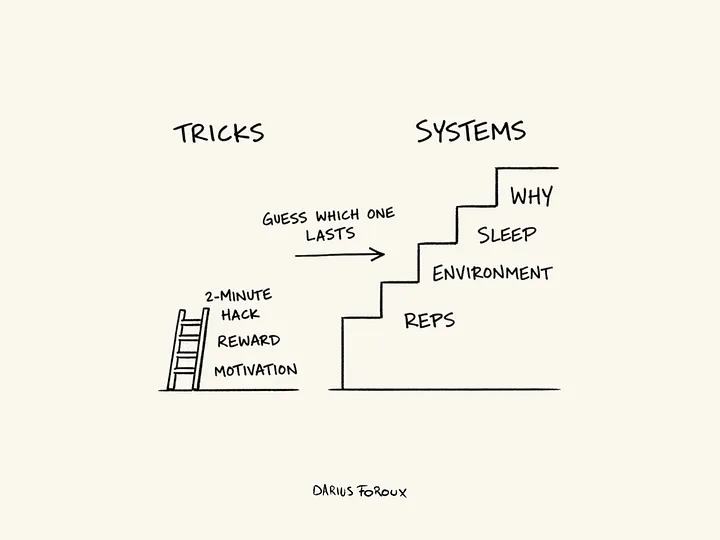
One of the most useful lessons you can learn is that motivation doesn’t always come before action.
Sometimes, motivation appears after you’ve already started.
Think about cleaning your room.
Before beginning, the task might feel exhausting. But once you pick up a few items and organize one corner, you may find it easier to continue.
The same principle can apply to studying, exercising, writing, or working.
Instead of saying:
“I’ll start when I feel motivated.”
Try saying:
“I’ll start with something small, even if I don’t feel motivated.”
You don’t have to enjoy every task to complete it.
Practical tip: Choose one important task and work on it for just five minutes. When those five minutes are over, decide whether you want to continue.
Even if you stop, you’ve made a little progress.
2. Break Difficult Tasks Into Smaller Steps
One major reason people procrastinate is that they focus on the entire challenge instead of the next manageable action.
Imagine that your goal is to get healthier.
Thinking about changing your diet, exercising regularly, improving your sleep, and building new habits all at once can feel overwhelming.
Instead, break your goal into smaller steps.
For example:
- Day 1: Take a 10-minute walk.
- Day 2: Prepare one balanced meal.
- Day 3: Go to bed 30 minutes earlier.
- Day 4: Take another short walk.
- Day 5: Plan a simple activity for the weekend.
These small actions might not seem impressive individually, but they can help you build consistency.
The key is to make your starting point so manageable that you don’t feel intimidated by it.
Remember: You don’t need to complete the entire journey today. You only need to identify your next step.
3. Use the Five-Minute Rule
The five-minute rule is a simple technique for getting started when you feel stuck.
Here’s how it works:
- Choose a task you’ve been avoiding.
- Set a timer for five minutes.
- Focus only on that task.
- When the timer ends, decide whether to continue or take a break.
For example, if you’ve been avoiding studying, open your textbook and read for five minutes.
If you’ve been putting off exercise, spend five minutes stretching or walking.
If your house is messy, clean one small area.
The purpose of this technique isn’t to force yourself into hours of work.
It’s to reduce the mental resistance associated with getting started.
Often, beginning is the hardest part.
Once you’ve started, continuing may feel easier.
And on days when five minutes is all you can manage, that effort still counts.
4. Focus on Discipline Instead of Motivation
Motivation and discipline are related, but they aren’t the same thing.
Motivation is the feeling that makes you want to do something.
Discipline is the ability to follow through on a decision, even when your enthusiasm is low.
For example, someone who exercises regularly probably doesn’t feel excited about every workout.
Instead, they may have developed routines that make exercise a normal part of their schedule.
You can apply the same idea to your goals.
Rather than asking yourself, “Do I feel like doing this today?”
Ask, “What’s the smallest useful action I can take today?”
This shift helps you focus on behavior rather than feelings.
However, discipline shouldn’t mean ignoring your health or pushing through serious exhaustion.
Healthy discipline includes knowing when to work, when to adjust your expectations, and when to rest.
5. Make Your Environment Work for You
Your surroundings can influence how easy or difficult it feels to complete a task.
If your phone is constantly buzzing with notifications, focusing on an important project may become harder.
If your desk is cluttered, sitting down to work might feel less inviting.
Instead of relying entirely on willpower, make small changes to your environment.
For example:
- Put your phone in another room while working.
- Keep your study materials organized and accessible.
- Prepare your workout clothes the night before.
- Close unnecessary browser tabs.
- Choose a quiet place for tasks that require concentration.
Imagine two situations.
In the first, you sit down to study while your phone is beside you, the television is playing, and social media notifications keep appearing.
In the second, your phone is away, your desk is organized, and you have everything you need to begin.
The second environment doesn’t guarantee productivity, but it removes several unnecessary obstacles.
Sometimes, improving your surroundings is more effective than trying to increase your motivation.
6. Stop Thinking About How Difficult the Task Will Be
Have you ever spent more time worrying about a task than actually completing it?
This happens frequently when we imagine everything that could go wrong.
You might think:
“What if I can’t finish?”
“What if I’m not good enough?”
“What if this takes forever?”
These thoughts can make a task feel even more intimidating.
Instead of focusing on every possible difficulty, bring your attention back to the present moment.
Ask yourself:
“What is the next action I can take right now?”
If you’re writing an article, your next action might be creating an outline.
If you’re preparing for an exam, it might be reviewing one topic.
If you’re trying to organize your finances, it might be listing your monthly expenses.
You don’t need to solve every future problem before beginning.
Focus on what you can control today.
7. Create a Routine That Doesn’t Depend on Your Mood
One of the best ways to make difficult tasks easier is to turn them into regular habits.
When an activity becomes part of your routine, you may spend less time deciding whether to do it.
For example, instead of studying whenever you feel inspired, choose a regular time.
You might decide:
“Every weekday at 7 PM, I’ll study for 20 minutes.”
Or:
“After breakfast, I’ll spend 10 minutes working on my personal project.”
A helpful strategy is called habit stacking.
This involves connecting a new habit to something you already do regularly.
For example:
- After brushing my teeth, I’ll stretch for two minutes.
- After making coffee, I’ll write down my three priorities.
- After dinner, I’ll read five pages of a book.
Start with routines that fit your actual lifestyle.
An unrealistic schedule can quickly become discouraging.
A simple routine you can maintain is usually more valuable than an ambitious routine you abandon after a few days.
8. Learn to Be Comfortable With Discomfort
Not every worthwhile activity feels enjoyable.
Learning something new can be frustrating.
Exercising can require physical effort.
Having an important conversation can feel uncomfortable.
Working toward a long-term goal can sometimes be repetitive or boring.
If you expect every meaningful task to feel exciting, you’ll probably struggle whenever discomfort appears.
Instead, practice accepting that some discomfort is a normal part of growth.
For example, when you’re learning a new language, you may struggle to remember vocabulary.
That doesn’t automatically mean you’re bad at learning languages.
It may simply mean you’re still developing the skill.
The goal isn’t to enjoy every difficult moment.
It’s to recognize that temporary frustration doesn’t always mean you should quit.
At the same time, it’s important to distinguish ordinary discomfort from harmful stress, pain, or burnout.
Growth requires effort, but it doesn’t require constant suffering.
9. Celebrate Small Wins Along the Way
When working toward a major goal, it’s easy to focus only on what you haven’t achieved.
Maybe you want to lose weight, start a business, improve your grades, or develop a new skill.
If you measure success only by the final result, progress may feel painfully slow.
Instead, recognize the smaller achievements along the way.
Did you complete your planned study session?
Did you go for a walk even though you felt tired?
Did you finish one section of a project?
Did you make a difficult phone call you’d been avoiding?
These are meaningful steps forward.
You can track your progress in a notebook, calendar, or simple checklist.
At the end of each day, write down one thing you completed.
Over time, this record can remind you that your efforts are adding up.
Celebrating progress doesn’t mean pretending every day was productive.
It means acknowledging the actions that move you closer to your goals.
10. Give Yourself Permission to Rest
This might sound surprising in an article about doing hard things, but rest is an essential part of sustainable productivity.
Sometimes, your lack of motivation is a sign that you’ve been demanding too much from yourself.
If you’re consistently sleeping poorly, working long hours, or feeling emotionally drained, pushing harder may not solve the problem.
Instead, consider whether you need:
- Better sleep.
- A short break.
- A lighter workload.
- More physical activity or time outdoors.
- Support from someone you trust.
- A more realistic schedule.
Resting doesn’t automatically mean you’re giving up.
It can be part of preparing yourself to continue.
If low motivation persists for weeks, affects your daily functioning, or comes with ongoing sadness, hopelessness, or loss of interest in activities you once enjoyed, consider speaking with a qualified healthcare or mental health professional.
Sometimes, difficulty getting things done has deeper causes that deserve attention and support.
The goal is not to force yourself to be productive every minute.
It’s to create a healthy balance between effort and recovery.
What to Do When You Have Absolutely No Motivation: A Simple Daily Plan
If you’re feeling stuck, you don’t need to apply all 10 strategies immediately.
Start with this simple plan.
| Step | Action | Time |
|---|---|---|
| 1 | Choose one important task | 2 minutes |
| 2 | Break it into one small action | 3 minutes |
| 3 | Remove obvious distractions | 2 minutes |
| 4 | Work on the task | 5 minutes |
| 5 | Review your progress and choose what comes next | 3 minutes |
This entire routine takes about 15 minutes.
For example, suppose you’ve been avoiding writing a school assignment.
First, decide that your assignment is today’s priority.
Next, break it down into a smaller action, such as writing the introduction.
Then, put your phone away and open your document.
Work for five minutes without worrying about whether your writing is perfect.
Finally, review what you’ve completed and decide whether you have the energy and time to continue.
Even if you only finish a few sentences, you’ve interrupted the cycle of avoidance.
Repeat this process whenever you’re struggling to begin.
Common Mistakes That Make Low Motivation Worse
Learning how to do hard things also means recognizing habits that can make procrastination more difficult to overcome.
Setting Unrealistic Expectations
Trying to completely change your life overnight often creates unnecessary pressure.
Start with manageable goals and increase the difficulty gradually.
Comparing Yourself to Other People
Someone else’s progress doesn’t determine your worth or potential.
People have different circumstances, responsibilities, resources, and challenges.
Focus on your own improvement.